01
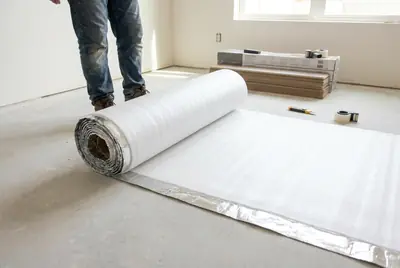
Underlayment and vapor film
The quiet half of a quiet floor: foam or fiber underlay with taped seams, plus a moisture film wherever concrete sits below.

Our Hamptons at Boca Raton fitters level, lay and trim click-lock laminate across Palm Beach County, and the square-foot price is on paper before the first box opens.
Measured square-foot quote, free, answered within one business day.
Thinking about sprucing up your place with some awesome new floors? Want something that looks killer but won't break the bank or get trashed by everyday life? Then you are in the right spot for some real talk about getting those cool, layered floorboards installed.
Originally, you might wonder what's so special about these particular kinds of floor coverings that everyone seems to be talking about. Truly, they're not just any old floor material you slap down and hope for the best. Genuinely, these are engineered marvels, kinda like a super-hero of the flooring world, built with several layers fused together to make them tough as nails.
Basically, you've got a sturdy base, then a core layer that's usually high-density fiberboard, followed by a photographic image layer that makes it look like real wood or stone. After all that, there's a clear wear layer on top, which is like a shield against scratches and spills. Seriously, it's pretty clever how they do it all.
Therefore, this design gives you a floor that's incredibly resilient and surprisingly robust for what it costs. Consequently, you get that high-end look without having to mortgage your house just for the floor. Which means, your pad looks sharp, and your wallet doesn't feel like it just ran a marathon.
Furthermore, down here in the Hamptons at Boca Raton, Florida, our homes see a lot of sunshine and, let's be real, a lot of humidity. Obviously, you need something that can stand up to all that tropical vibe without warping or fading into oblivion. Luckily, these multi-layered planks are pretty darn good at handling our unique climate challenges.
For instance, their construction helps them resist moisture way better than solid hardwood, which can get all weird and wavy with the humidity. Consequently, you won't be constantly stressing about a spilled drink or the kids tracking in water from the pool. This lets you live your life without constantly guarding your floors like a hawk.
Besides that, with a population around 11,306 bustling folks in this part of Palm Beach County, people are always on the go. Certainly, whether it's sandy feet from the beach or a playful pet chasing a toy, these durable floor coverings can take a beating and still look great. Undeniably, they're built for real life, not just for show.
On another note, if your household income is in that median range of about $85,000, you're probably looking for value that lasts. Actually, these synthetic wood-look surfaces offer amazing longevity and require less upkeep than many other options. Ultimately, that translates to more money in your pocket over time and less time scrubbing on your hands and knees.
Initially, choosing new floorboards can feel a bit like trying to pick out candy at a huge store when you're a kid, too many awesome choices. Right away, you'll find tons of different styles, from rustic farmhouse vibes to super modern gray tones, and even options that mimic stone or tile. Consequently, you can really dial in the exact look that screams "you" for your home.
However, it's not just about the pretty pictures you see on the planks. Beyond that, you also gotta think about things like the thickness of the board and something called the AC rating, which is basically how tough the wear layer is. Generally, thicker boards feel more solid underfoot and help out with noise, which is pretty sweet.
Ultimately, the AC rating tells you how much foot traffic a particular engineered plank can handle without wearing out too fast. Therefore, if you've got a busy family with kids and pets running around all day, you'll definitely want a higher AC rating. This ensures your investment stands the test of time and all the chaos life throws at it.
Moving on, picturing how a floor will look in your house before it's actually in can be tricky business. To clarify, the light in your home, whether it's natural sunshine streaming through the windows or softer lamp light, totally changes how the color and texture of these synthetic surfaces appear. Luckily, you don't have to guess entirely.
For instance, try to grab some samples and bring 'em home to see how they look in your actual space at different times of day. Seriously, that dark faux hardwood might look amazing in the store, but it could make your living room feel like a dungeon if you don't have enough light. Which means, a little planning goes a long way to avoid a major "oops."
Additionally, think about the existing furniture and wall colors you already have. Clearly, you want your new floor to complement your current decor, not fight with it like siblings over the last cookie. Consequently, a well-chosen floor can tie a whole room together and make it feel more cohesive and stylish, making everyone who visits go "wow!"
Seriously though, getting these layered boards installed correctly is a whole different ballgame than just picking them out. Initially, it all starts with making sure your subfloor is super clean, dry, and flat as a pancake. Otherwise, you're gonna end up with bouncy, squeaky floors that will drive you nuts and probably void your warranty.
Next, we usually put down an underlayment, which is like a thin cushion between the subfloor and the new floorboards. Importantly, this layer helps with sound reduction, adds a bit more insulation, and provides a moisture barrier, especially important in places like Boca Raton with those ZIP codes like 33434, 33487, or 33496. As a result, your floor feels nicer and lasts longer.
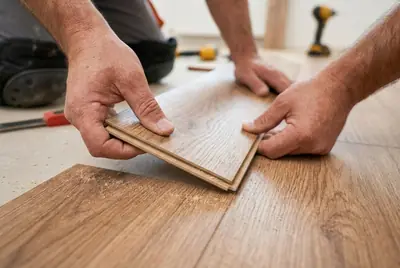
Then comes the actual laying of the interlocking planks, which usually have a click-lock system. Furthermore, each board snaps right into the next one, creating a "floating" floor that isn't nailed or glued directly to the subfloor. This method allows the floor to expand and contract with temperature and humidity changes without buckling, which is super smart.
Incidentally, I remember one job where the old subfloor was so uneven it looked like a rollercoaster. Believe me, we spent a whole day just leveling that thing out before we even thought about laying a single synthetic plank. Otherwise, that customer would've been calling us back in a month with all sorts of issues. Ultimately, doing it right the first time saves everyone a headache.
Honestly, you might see videos online making it look super easy to install these snap-together floorboards yourself. To tell the truth, it's not always as simple as it appears on YouTube, especially if you've never done it before. Consequently, trying to DIY can lead to a bunch of headaches and costly mistakes.
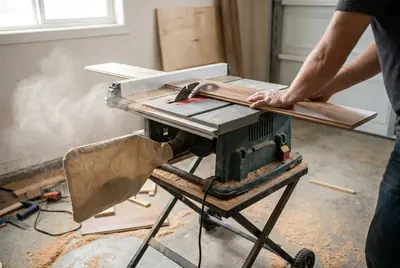
For instance, getting the cuts right around doorframes, tricky corners, or air vents takes skill and the right tools. Otherwise, you end up with weird gaps or crooked pieces that stick out like a sore thumb. Also, messing up the installation can mean your floor doesn't perform as it should, maybe even letting moisture sneak in.
Therefore, you could accidentally void the manufacturer's warranty if it's not put in by a qualified installer. Simply put, that means if something goes wrong with the floor, you're on the hook for the fix, not the company that made it. Which is why calling in someone who knows their stuff is almost always the smarter move, saving you stress and potential repair bills.
On top of everything, when you're looking for someone to install your new durable floor coverings, you want to pick a crew that really knows their stuff. Clearly, you're letting people into your home, so trust and reliability are super important. Therefore, always check out what other folks are saying about them, like on online reviews or by asking for references.
Furthermore, a good installer will communicate clearly with you every step of the way, from picking out the right materials to setting expectations for the job. You know, nobody likes being left in the dark wondering what's happening. Which means, you'll always be in the loop and feel good about the progress.
Interestingly, we've been helping folks transform their homes with these awesome surfaces all over the area, including right here in the Hamptons at Boca Raton. We've seen it all and done it all, from small bedrooms to whole-house makeovers. Undeniably, we take pride in our work and treat your home like it's our own, with respect and attention to detail.
Believe me, we don't just show up, throw down some boards, and leave. Instead, we make sure the prep work is spot-on, the installation is precise, and the cleanup is thorough. Consequently, you get a beautiful, long-lasting floor and a hassle-free experience from start to finish. That's the kind of service you truly deserve.
Before you commit to anyone, it's super smart to have a few questions ready. Firstly, you should always ask about their experience specifically with installing these layered flooring types. To clarify, you want someone who's done this particular kind of work a bunch of times, not just a jack-of-all-trades who occasionally dabbles in it.
Secondly, you should inquire about their process for preparing the subfloor and what kind of underlayment they recommend for your specific situation. As previously mentioned, this prep work is crucial for the longevity of your floor. This lets you understand exactly what they'll do to make sure your new surface is solid and stable.
Thirdly, always ask if they offer a warranty on their installation work, in addition to any manufacturer's warranty on the floorboards themselves. Accordingly, if something goes wrong due to their workmanship, you'll have peace of mind knowing it will be fixed. Finally, don't forget to ask for a detailed, written quote that breaks down all the costs involved, so there are no surprises.
Speaking of costs, one of the biggest questions people have is, "How much is this whole floor transformation gonna set me back?" Honestly, it's not a one-size-fits-all answer, because a bunch of stuff goes into the final price. Specifically, the material itself is a big chunk, with different styles and durability levels having different price tags.
For starters, you've got the price of the actual engineered planks, which varies a lot based on the brand, the thickness, and that AC rating we talked about. Afterward, you need to factor in the cost of the underlayment and any other special materials needed for the job, like transition pieces for doorways. Which means, you have choices at every budget level.
Additionally, the labor cost for putting down these floor coverings is a significant part of the bill. However, this isn't just about how long it takes to click the boards together. Furthermore, it includes all that important prep work, like clearing out your old flooring and making sure the subfloor is perfect, which takes time and skill.
Thinking about it, while the upfront cost is important, the true value of these versatile floor coverings goes way beyond what you initially pay. For one thing, they're super tough and designed to last for many years, even with active families and pets. Consequently, you won't be replacing them anytime soon, which saves you money in the long run.
Moreover, these kinds of floors are famously easy to clean and maintain. Simply put, a regular sweep and a damp mop are usually all it takes to keep them looking fresh and new. This lets you spend less time cleaning and more time enjoying your beautiful home in our lovely Palm Beach County.
Another benefit is their ability to resist dents and scratches better than many other flooring options, which is a huge plus for busy households. So, you can have that lovely wood look without worrying every time something drops on the floor. In other words, you get the sophistication and style you crave with the practical benefits you need for everyday living.
Therefore, when you add up the durability, the low maintenance, and the stunning visual appeal, these layered floorboards really are an excellent investment for your home. Ultimately, it's about creating a living space that offers true coziness and a certain refined quality for years to come. You deserve that kind of lasting satisfaction.
So, why wait to upgrade your home with floors that look fantastic and stand up to whatever life throws at them? Seriously, you've got nothing to lose by getting some real information. That's why we offer a FREE quote for getting these amazing synthetic floorboards installed at your place. Just imagine walking into a room with stunning new surfaces that make your whole house feel fresh and inviting. Don't just dream about it, let's make it happen!
Every laminate plank carries an abrasion class. It says more about how the floor will age than the photo on the box does, so we quote with it, not around it.
| Rating | Where it belongs | What it takes in stride |
|---|---|---|
| AC3 | Bedrooms, closets, home offices with a chair mat | Everyday footsteps, furniture on felt pads, the vacuum on Sundays |
| AC4 | Living rooms, kitchens, hallways, stair landings | Kids, dogs, dropped keys, the daily route between couch and fridge |
| AC5 | Entryways, home businesses, rentals, busy stairs | Grit walked in from outside, rolling office chairs, tenants you never meet |
AC1 and AC2 exist too; we simply do not lay them, because the savings at the register come back as dull traffic lanes within a couple of years.
We install laminate all day, and it is still not the answer to every room. Here is the comparison we walk through at the kitchen table, with nothing rounded in our favor.
| Laminate | Vinyl plank | |
|---|---|---|
| Water | Modern boards shrug off spills that get wiped up; standing water at a leaky dishwasher is still its weak spot. | Fully waterproof through the core, which is why laundry rooms and full bathrooms lean vinyl. |
| Comfort and sound | Stiffer core, more solid underfoot, and quieter than its reputation once a proper underlay goes in. | Softer and warmer to bare feet, but thin planks telegraph every dip in the subfloor. |
| Price | More floor per dollar at the same thickness, and the realistic wood looks start cheaper. | Comparable at the low end; the rigid-core boards worth owning cost noticeably more. |
| Repair | A click-lock plank can be swapped; keep one spare box in the garage and a scratch is an afternoon fix. | Glued-down planks mean solvent and patience; click vinyl swaps much like laminate does. |
If your project reads vinyl after that table, we will say so during the measure and you keep the comparison for free.
01
The quiet half of a quiet floor: foam or fiber underlay with taped seams, plus a moisture film wherever concrete sits below.
02
Planks angled, clicked and tapped home with staggered joints, so the sight line down the room stays dead straight.
03
Door casings undercut so boards slide beneath, pipes ringed with collars, last rows ripped to width instead of forced.
04
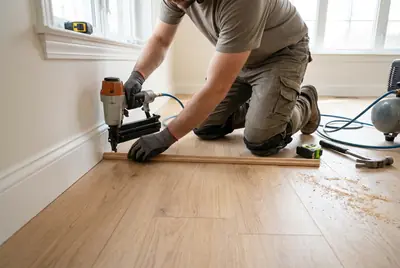
The expansion gap disappears behind clean trim, mitered at the corners and caulked where the wall waves.
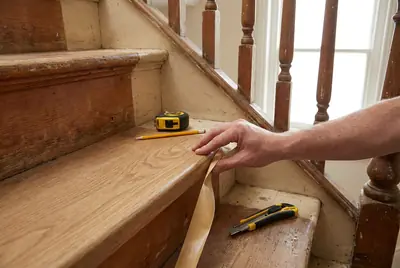
05
Tread and riser kits with proper nosing, glued and screwed, because a stair takes more abuse than any floor below it.
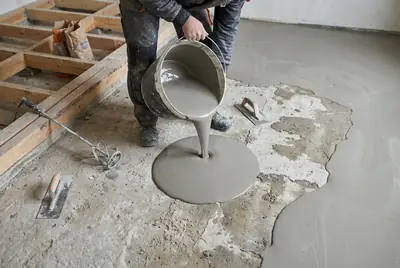
06
Grinding the high spots and pouring self-leveler into the low ones before a single plank leaves its box.
Laminate floats. It is not nailed and not glued, which is exactly why it goes down fast, and exactly why it copies every flaw underneath. A hollow click under your heel, a seam that opens by the window, a plank that rocks by the couch: nine times out of ten the story started below the boards.
So the level comes out before the saw does. We check flatness against the 3/16 inch in 10 feet rule, grind ridges, fill dips with self-leveling compound and let it cure. The underlay then earns its keep twice over, softening footfall sound for the room below and evening out what the compound did not catch.
The last quiet detail is the gap you will never see. Laminate grows and shrinks with the seasons, so every wall, pipe and doorway keeps a small expansion space, and long open stretches get a transition profile. Skip those and summer humidity will fold a hallway into a tent; leave them and the floor stays flat for decades. They are in every quote we write, not on the options list.
A fitter walks the rooms with a laser measure, checks the subfloor and leaves you a square-foot price on paper. No estimate ranges that grow later.
The planks acclimate in the rooms for about 48 hours while we pull the old covering and level whatever the laser flagged.
Underlay, film, then row after row, clicked tight and cut clean at every casing. Most single floors go down between breakfast and dinner.
Baseboards, thresholds, a vacuum pass and a walk through every room together. You keep the leftover planks for future repairs.
| Line item | Usual range | What sits inside it |
|---|---|---|
| Laminate installation, per sqft | $2.50 - $4.50 | Labor for click-lock laying with standard underlay included. |
| Old floor removal, per sqft | $0.60 - $1.50 | Carpet pulls out cheap; glued wood and tile sit at the top end. |
| Subfloor leveling, per sqft treated | $1.00 - $3.00 | Only the flagged low spots pay, never the whole room. |
| Stairs, per step | $45 - $95 | Tread, riser and nosing, fitted, glued and screwed. |
| Baseboard and quarter round, per linear foot | $2.00 - $4.00 | Supplied primed or color-matched to the boards. |
| Small-job minimum | $350 | Keeps a single hallway or one bedroom fair for both sides. |
The planks themselves ride on top of these figures and depend on the board you fall for; the written quote lists them on their own line, so you can swap styles without redoing the math.
Bedrooms, living rooms, hallways and home offices are laminate country, no caveats: warm looks, an AC rating matched to the traffic and a surface that forgives chair legs and dog claws better than the veneer floors it imitates.
Kitchens work well with a water-resistant board, sealed edges and a mat where the sink drips. Full bathrooms are the one room where we tap the brakes: daily steam and puddled water shorten any laminate's life, and we would rather point you to a different surface there than sell you a floor with a countdown on it. Powder rooms, with no tub in sight, are fine.
The moment the last plank clicks. A floating floor needs no glue to cure, so the couch returns the same evening and the bedroom sleeps in its own bed that night. Heavy aquariums and pianos get felt pads and a second pair of hands, not a waiting period.
Planks leave a cold warehouse and arrive in your heated rooms around Hamptons at Boca Raton. Two days of acclimating lets them finish their expanding before they are locked together, instead of after, which is how gaps and peaks are born.
Usually, and it saves the demolition line on the quote. The grout lines disappear under the underlay if the tile is flat and sound. Over carpet the answer is always no; the padding flexes and the locks work themselves open.
We work room by room, shifting pieces to the finished side as the floor advances, so nobody rents a storage unit for a two-day job. Emptying closets and small breakables ahead of us is the one favor we ask.
No. A flat subfloor with an 8 mm AC4 board outlives a wavy one with 12 mm every time. Thickness buys sound and feel; the AC rating buys longevity; the leveling buys both. We spend your budget in that order.
You hand us the spare box we left behind. A click-lock floor unzips to the wounded plank and closes again, and a repair like that is an afternoon, not a renovation.
Terrain up here, coverage down there: every community a fitter reaches from this base is linked further down the page.
Somewhere under that carpet is a flat, quiet floor waiting to happen.
Price my floor